• HOME PAGE
  • ABOUT JMD
  • CONTACT JMD
  • ONLINE VIRTUAL SERVICES
  • Publications

J. Michael Dennis ll.l., ll.m. Live

~ ~ JMD Live Online Business Consulting ~ a division of King Global Earth and Environmental Sciences Corporation

J. Michael Dennis ll.l., ll.m.  Live

Monthly Archives: February 2012

Les derniers versets du livre de Daniel :

09 Thursday Feb 2012

Posted by JMD Live Online Business Consulting in Général / General

≈ Leave a comment

Tags

Apocalypse, La fin des temps

Alignement galactique

« J’entendis, mais je ne compris pas; et je dis: Mon seigneur, quelle sera l’issue de ces choses? Il répondit: Va, Daniel, car ces paroles seront tenues secrètes et scellées jusqu’au temps de la fin. Plusieurs seront purifiés, blanchis et épurés; les méchants feront le mal et aucun des méchants ne comprendra, mais ceux qui auront de l’intelligence comprendront. Depuis le temps où cessera le sacrifice perpétuel, et où sera dressée l’abomination du dévastateur, il y aura 1290 jours. Heureux celui qui attendra, et qui arrivera jusqu’aux 1335 jours ! Et toi, marche vers ta fin; tu te reposeras, et tu seras debout pour ton héritage à la fin des jours. »

Share this:

  • Share on X (Opens in new window) X
  • Share on Facebook (Opens in new window) Facebook
Like Loading...

The 2007economic crisis aftershock

09 Thursday Feb 2012

Posted by JMD Live Online Business Consulting in Général / General

≈ Leave a comment

Tags

2015, 2019, Economic downfall, European Union

The Next Global Financial Meltdown is on its way

With the consequences of the last global economic crisis showing little sign of ending, Greece beginning to default on its debt, stock markets remaining volatile, food and energy prices continuing to rise and the real estate bubble about to burst in China, threatening to plunge the world into further chaos, the Next Global Financial Meltdown is on its way.

In 2007, in a once-in-a-century type of event, the world experiences the biggest financial crisis since the Great Depression. First came the dotcom bubble, then the housing bubble that resulted in a global planetary financial meltdown. For the next eight years, the world economic situation is just going to get even worse: much worse.

The American Federal Reserve financial market manipulation and the incredible irresponsibility and bad judgment of the United State government and European Union combined will make banana republic inflation levels inevitable. In the next few years, we will see up to 50% unemployment rates worldwide, up to 90% stock market crash, and up to 100% annual global inflation rates. Get ready to sell everything, and pile into gold and inflation-linked securities. Get ready to cash out your life insurance policies and dump your stocks.

For the next three years, unemployment rates will be increasing drastically throughout the world and remain high up to the year2019, with extremely weak consumer spending and governments everywhere faced with lower tax revenues. Meantime, oil and food prices will continue to rise while gold and silver will reached unprecedented highs.

As a result of the Wild West Casino mentality which has characterised investment banking over the last two decades, combined with a lack of regulation. The subprime financial market was a time bomb waiting to go off and it did.

The economic crisis which began in 2007 is now showing little sign of ending if any and, for years to come, the United State will continue to spiral out of control. During the years 2015 to 2019, while China will be facing the fallout of a massive real estate bubble, the United States of America will see its credit rating further downgraded and in an unprecedented move, the dollar will be losing its status as the world’s reserve currency.

With the United State paralysed by a political deadlock over the basket of currencies in the process of replacing the dollar, the contagion affecting the euro zone, initially confined to Greece, will eventually spread throughout the continent, leading to the collapse of numerous banks, corporations and financial institutions. Bailout after bailout initiated by the European Union and industrialized countries will fail to provide an adequate long term solution to the new Global economic downturn.

The world being now mired in a full-blown depression, with no sign of a light at the end of the tunnel, with protests in many countries, a global movement for change is now emerging that will climax in the years 2015 to 2018. For the years to come, get ready to see and experience extremely volatile market conditions and frightening changes in our modern society at large. Society as we know it know is about to change.

While the gutting of our social programs is now creating a dangerously polarised society, 2019 will be mark by widespread riots and protests throughout the world.

Share this:

  • Share on X (Opens in new window) X
  • Share on Facebook (Opens in new window) Facebook
Like Loading...

Remembering the Japanese “Lost Decade”

08 Wednesday Feb 2012

Posted by JMD Live Online Business Consulting in Général / General

≈ Leave a comment

Tags

Financial crisis, Japan, The lost decade

“The Lost Decade” - Japan is our future: we'll be lucky if we handle it as well as they have.

Some thirty years ago, we used to talk about Japan in much the same tone as we now do of China. Japan was seen as an unstoppable economic growth machine. For most of us, it was only a matter of time before Japan overtook the United States as the world’s largest economy. Ten years later, the Japanese economic miracle ground to an ignominious halt. Japan was becoming a forgotten country and the country has struggled to show significant growth ever since.

The Japanese asset price bubble [baburu keiki] was an economic bubble in Japan that took place from 1986 to 1991, in which real estate and stock prices were greatly inflated. The bubble’s collapse lasted for more than a decade with stock prices initially bottoming in 2003 and descending even further in 2008.

Back in the 80s, the easily obtainable credit helped create and engorge the real estate bubble. As late as 1997, banks were still making loans that had a low probability of being repaid. By then, Loan Officers and Investment staff had a hard time finding anything to invest in that would return any kind of profit. They would even resort to depositing their block of investment cash, as ordinary deposits, in a competing bank. Correcting the credit problem became even more difficult as the government began to subsidize failing banks and businesses, creating many so-called “zombie businesses”.

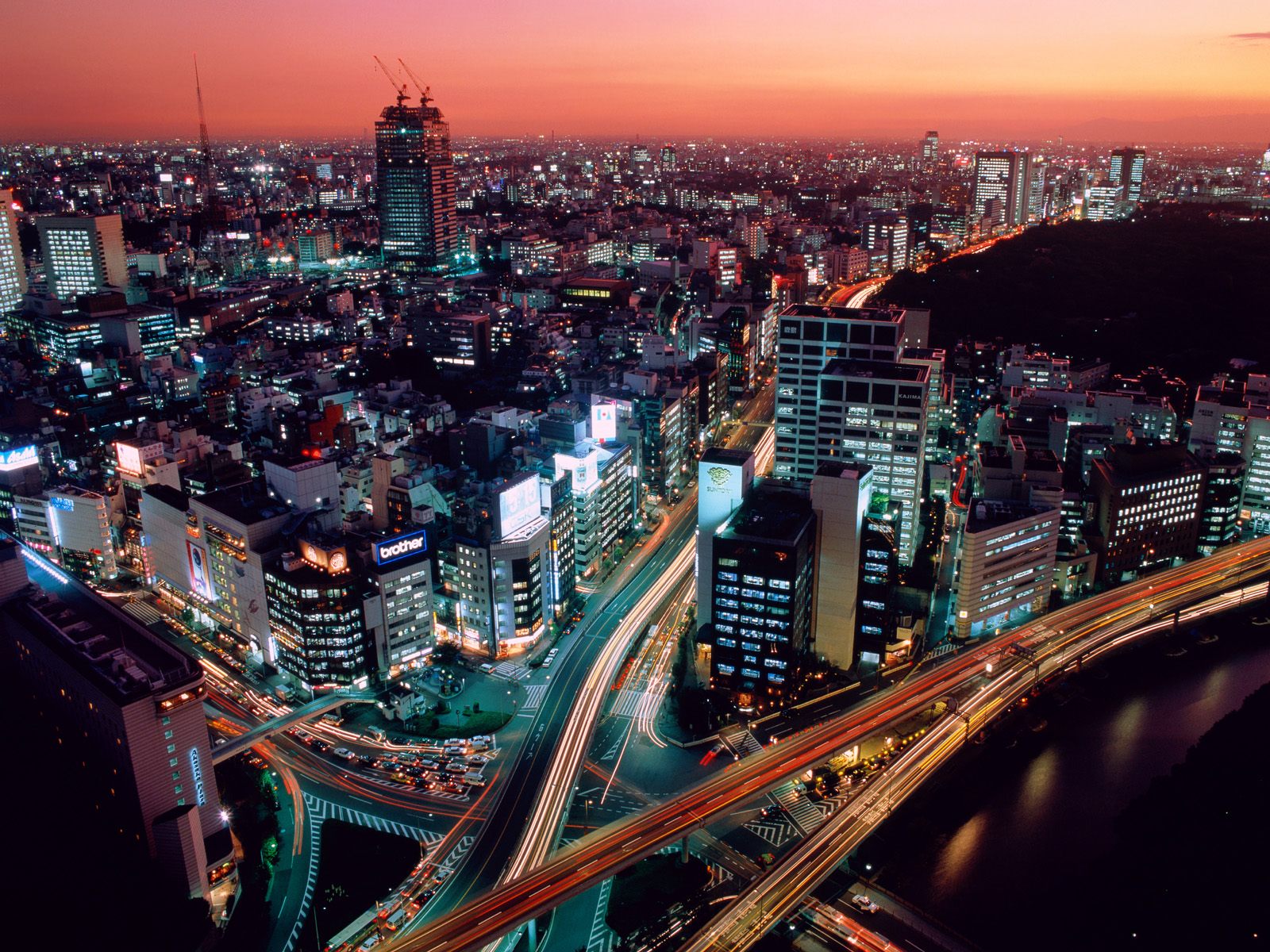
In 1989, in Tokyo’s Ginza district, choice properties prices were fetching well over $215,000 US dollars per square meter, this is well over $93,000 per square foot. Suddenly, by 2004, prime “A” property in Tokyo’s financial districts had slumped to less than 1 percent of its peak value, and Tokyo’s residential homes were less than a tenth of their peak. Only in 2007 had property prices begun to rise; however, they began to fall in late 2008 due to the last American financial crisis and its consequences worldwide.

Over the years, in what is now referred as the Japanese “The Lost Decade”, with the combined collapse of the Tokyo stock and real estate markets, tens of trillions of dollars worth were wiped out.

In an attempt to find anything positive in any type of catastrophic events, it is becoming fashionable to argue that they might just prove to be the shock that the world or a country needs to purge itself of the political inertia and economic paralysis into which it has fallen. Well, possibly, but the truth is that, regardless of the disaster’s potential to galvanise change, the world’s future, like Japan’s future before, may already be largely pre-ordained. There is a point where economies simply outgrow their capacity to grow. If there is a lesson to be learned from the Japanese [baburu keiki], it is that Japan, in time merely returns to where it was.

Today, Japan is now in the front line when it comes to the three biggest challenges which, to varying degrees, afflict all of the major advanced modern economies: excessive public debt, the demographic costs of an ageing population, and increasingly acute energy insecurity. What is more, the banking crisis that years ago killed off the Japanese growth story has been replicated across all Western economies, many of which are now threatened with much the same deflationary, low-growth future and this is not altogether looking very good.

As we look back, for all the loss of national self-esteem, the reality is that Japan has coped with the aftermath of its banking crash reasonably well. Output has stagnated, but in per capita terms it remains one of the highest income countries in the world. Furthermore, it has managed to maintain a degree of social cohesion that higher growth economies struggle to replicate. As for today’s economic events, their consequences will be much more widely felt then they were in Japan. Coming on top of a resurgent oil price, they constantly threaten to derail an already all-too-fragile recovery across modern advanced economies.

For years to come, worldwide monetary policies will, remain accommodative at the most for longer than otherwise.

Share this:

  • Share on X (Opens in new window) X
  • Share on Facebook (Opens in new window) Facebook
Like Loading...

Syrians reportedly fight for their lives as killings rise

08 Wednesday Feb 2012

Posted by JMD Live Online Business Consulting in Général / General

≈ 1 Comment

Tags

Syria

By Karine Barzegar, and Sumi Somaskanda
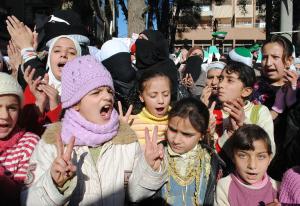
"It's a horrific and horrible massacre," said Saffour, who says contacts tell him that dozens of people lay dead in Baba Amr, including women and children.

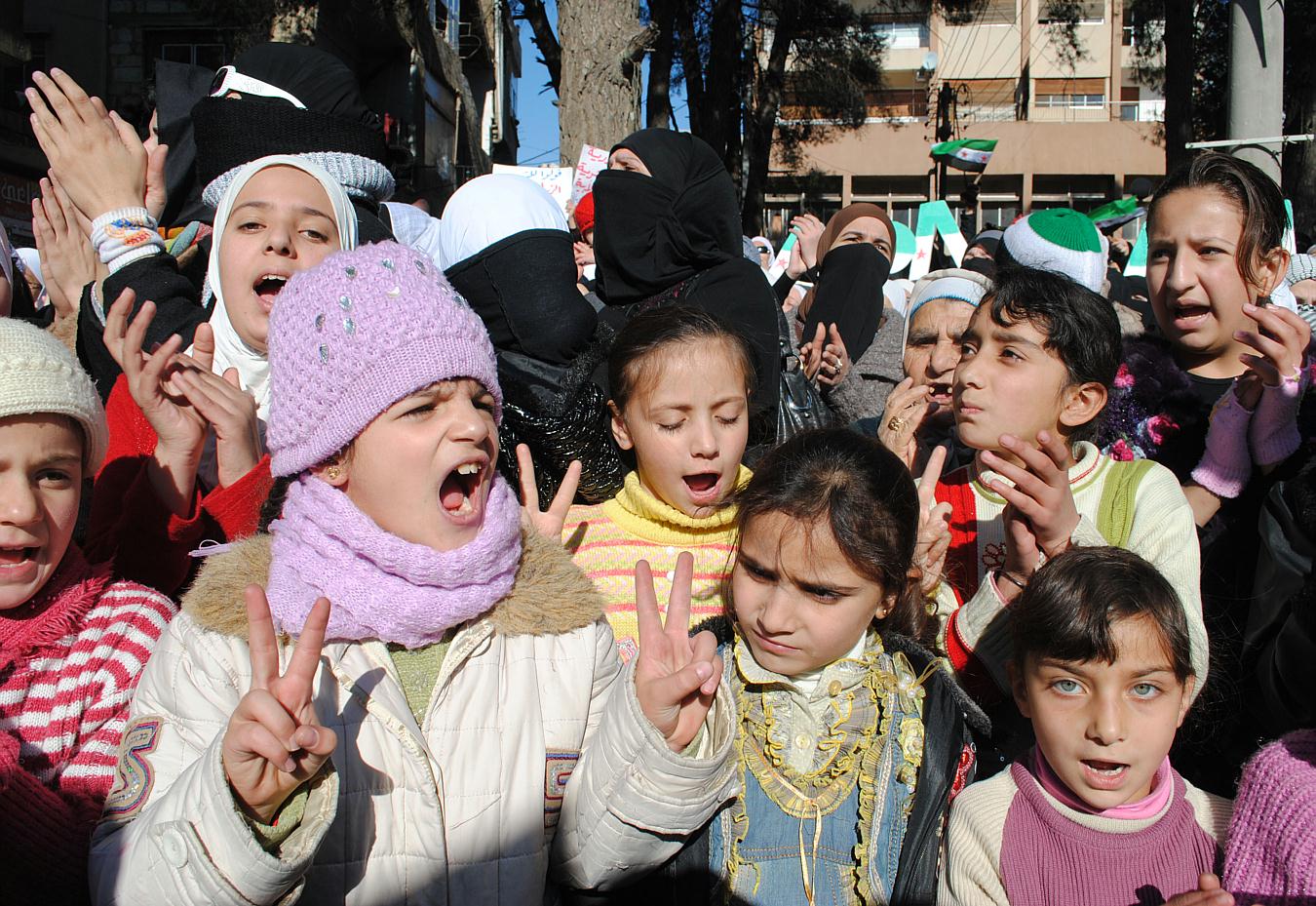
WADI KHALED, Lebanon – As Western nations increasingly push to end the violence in Syria, dissidents on Tuesday said the killings are escalating in the city of Homs — a flash point for the uprising — where residents are fighting furiously to prevent their own annihilation.

Troops under President Bashar Assad continued on Tuesday to shell the Baba Amr district of Homs, Syria’s third-largest city and an area that has been under siege for months. More than 300 people are believed to have died in Homs last weekend, said Walid Saffour, president of the Syrian Human Rights Committee in London.

“It’s a horrific and horrible massacre,” said Saffour, who says contacts tell him that dozens of people lay dead in Baba Amr, including women and children. “They shelled peaceful people in their houses. People are being killed and there is no remedy, no treatment, no ambulances, no hospitals to treat the wounded people at all.”

Since the uprising in Syria began 11 months ago, nearly 6,000 people have died, according to the United Nations, and the violence has escalated in the past few weeks as Assad seeks to crush what was largely a peaceful protest movement.

“I just don’t see a light at the end of the tunnel,” said Fawaz Gerges, director of the Middle East Center at the London School of Economics. “I think both sides have made up their minds. There is nothing to compromise about — they’re going for broke.”

Russia’s foreign minister, Sergey Lavrov, arrived in Damascus on Tuesday and urged Assad to move ahead with political changes to address opponents who demand Assad’s resignation. Lavrov was met by thousands of Assad supporters waving Russian flags and praising his country for blocking attempts to enact sanctions against Syria’s government at the U.N.

Meanwhile, the military onslaught continued against Homs and civilians in other cities, activists said. Syria has blocked access to trouble spots and prevented independent reporting.

Hervin Ose, a member of the minority Kurdish Future Movement Party in Syria, said she has witnessed brutal force by government troops in her travels through the country over the past few weeks and months.

“(The government) declared a war against the people in Syria,” she said from Damascus. “This regime has become a cancer.”

Many citizens are fleeing in waves across the border to Turkey or Lebanon, to friends, family or refugee settlements. But these escape routes are monitored by Syrian security forces.

“It’s more difficult to cross the border because of the mines installed and because of the heavy presence of the Syrian army,” said Alain Gharafi, a field coordinator in Lebanon for the Office of the United Nations High Commissioner for Refugees. “Still, these are mountainous regions, and people manage to cross at night and the border is not heavily guarded on the Lebanese side.”

Hundreds of Syrian dissidents in Lebanon have boosted efforts to help the opposition from Beirut and Tripoli and the border village of Wadi Khaled in northern Lebanon. They say they are in constant touch with activists inside Syria, and smuggle medicine, satellite phones, cameras and weapons into Syria. They help refugees and the injured get out, according to groups such as Al-Bashaer in Tripoli.

“At the beginning, there were just a few, a first wave of refugees who settled down at the border,” group spokesman Wassim Bashir said. “Then the events escalated and bigger waves of refugees came and stayed longer than planned.”

“Assad has made it very clear that he is going to resolve this conflict once and for all,” Gerges said. “And what he means by resolve is, he is going to crush the opposition.”

The global tensions have placed Syria in the midst of a larger tug of war pitting the U.S. and its allies against Russia, China and Iran. And that, activists say, has only exacerbated the crisis.

“If (the Syrian government) didn’t have that support, they wouldn’t dare to go that far in killing and suppressing the uprising and demonstrations,” said Hozan Ibrahim, a spokesman for the Local Coordination Committees of Syria.

He added, however, that “the uprising won’t stop. … More defecting soldiers will join the Free Syrian Army (of military defectors). That will make us stronger and weaken the regime day by day.”

Saffour said the international community has promised too little too late, leaving the Syrian people alone in their fight for freedom.

The West “can stop Assad by imposing the no-fly zone, by securing safe havens in some parts of Syria, especially in the north and near Turkey and Lebanon,” he said. “They can do a lot of things, but there is no international will so far .”

Others say the conflict will rage for some time because Assad has support in many parts of the country. Some of Syria’s most significant minority groups, such as Christians and Alawites, have stood behind Assad, for fear of what fragmented opposition forces would bring to power.

“We’re not just talking about a small circle, we’re talking about a critical social base,” Gerges said. “We’re talking 25 to 40% — that’s a lot of people.”

Contributing: Barzegar reported from Lebanon; Somaskanda reported from Berlin

Share this:

  • Share on X (Opens in new window) X
  • Share on Facebook (Opens in new window) Facebook
Like Loading...

Santorum surprend Romney

08 Wednesday Feb 2012

Posted by JMD Live Online Business Consulting in Général / General

≈ Leave a comment

Tags

Investiture, Newt Gingrich, Parti républicain, Présidence, Rick Santorum

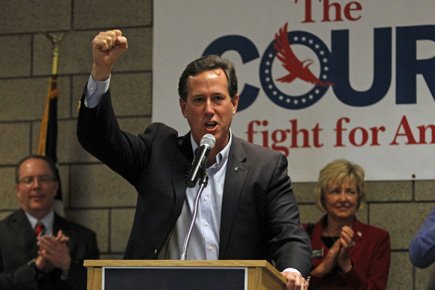
Photo: Reuters

Rick Santorum aurait-il réussi à ravir à Newt Gingrich le rôle de candidat numéro un?

Cette question se pose à la suite des succès remportés par l’ancien sénateur de Pennsylvanie lors des trois scrutins tenus hier dans le cadre de la course à l’investiture du Parti républicain pour l’élection présidentielle du 6 novembre prochain.

Le politicien de 54 ans, candidat préféré des conservateurs religieux, a renoué avec la victoire en remportant les caucus du Minnesota et du Colorado ainsi que la primaire du Missouri. Il avait déjà triomphé lors des caucus d’Iowa, première étape du marathon électoral dans lequel les prétendants républicains à la présidence sont engagés.

Share this:

  • Share on X (Opens in new window) X
  • Share on Facebook (Opens in new window) Facebook
Like Loading...

Toward a new Worldwide Economic Crisis

07 Tuesday Feb 2012

Posted by JMD Live Online Business Consulting in Général / General

≈ Leave a comment

Tags

Economic downfall, Euro, European Union, Greece, Récession

- The worsening economic crisis in Greece: Only a prelude to global social disruption and economic times to come

For years, the successive governments of Greece like many others governments of the world today, have been spending money they didn’t have. As a result, the country ran up a massive deficit, reaching an estimated 13.6% by 2010.

To deal with it, Greece started to misreport its official financial statistics and actually paid hundreds of millions of dollars to banks such as Goldman Sachs to have them initiate baseless financial transactions that would hide Greece’s true level of spending and debt. All of this made Greece extremely vulnerable to a financial crisis such as the major recession that struck the world in 2007.

By 2009, Greece was collapsing under its crushing debts, by then estimated to be over $410 billion, thus growing 20% larger than the entire country economy.

The banks Greece had borrowed from were only making the problem worse: To hide the fact that Greece could soon go bankrupt, they started to charge Greece higher rates of interests when the country tried to borrow more money.

As a result, by 2010, revealing the true levels of spending and deficit that had accumulated over the years, Greece was forced to ask for outside assistance and was downgraded to the lowest credit rating in the euro zone.

With investors now viewing the country as a financial black hole, it made it difficult for the Greek government to receive outside help. Accordingly, the European Union allowed Greece to borrow from other European countries as well as the International Monetary Fund, in what became the largest bailout package in recent history. In return, Greece was forced to drastically cut back its spending.

Government corruption, large increases in taxes, and cuts to public social programs resulted in widespread civil unrest during the year 2011.

In March 2012, Greece will begin to default forcing a further restructuring in which the government will only able to pay back around half of what is owed. This will result in the country essentially being removed from the euro zone and Europe as a whole will be economically battered, along with every other countries which are now trading with Greece. The value of the euro will fall stressing the economies of the European Union with Spain, Italy and Portugal suffering the most.

Final result: the ongoing decline in value of the European currency will negatively affect stock markets around the world for years to come.

Share this:

  • Share on X (Opens in new window) X
  • Share on Facebook (Opens in new window) Facebook
Like Loading...

La Grèce en grève contre les nouvelles mesures d’austérité

07 Tuesday Feb 2012

Posted by JMD Live Online Business Consulting in Général / General

≈ Leave a comment

Tags

Économie, Grèce, Oppression, Pauvreté

Photo AFP
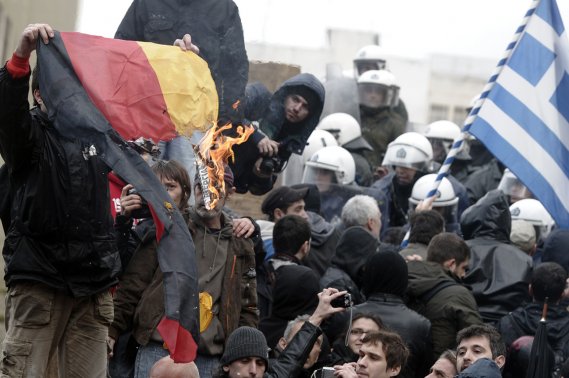
Des manifestants brulent un drapeau allemand alors qu’ils tentent d’entrer dans le parlement grec à Athènes où a lieu une grève générale de 24 heures.

Une tendance mondiale qui va en s’accentuant.

Devant la perspective d’un nouveau train de mesures d’austérité possibles imposées par les créanciers du pays. La Grèce tourne au ralenti en raison d’une grève générale de 24 heures lancée par les deux principaux syndicats du privé et du public.

Sous le mot d’ordre «Ça suffit, on ne peut plus!», les sympathisants de la centrale syndicale du privé, la GSEE comptant 700 000 adhérents et celle du public, l’Adedy, comptant 350 000 membres ont manifesté à Syntagma, la place centrale d’Athènes, théâtre de manifestations massives depuis le début de la crise, il y a deux ans. Le plus grand cortège de manifestants était celui des sympathisants du syndicat procommuniste, le Front de lutte des travailleurs (Pame).

Au total, uniquement dans les rues des deux principales villes du pays, soit Athènes et Salonique au nord, la police recensait 20 000 personnes réunies pour s’opposer aux licenciements dans la fonction publique, à la baisse du salaire minimum et aux réductions des retraites complémentaires. Les manifestants résumaient ainsi leurs objections aux nouvelles réformes demandées par les créanciers du pays, zone euro, BCE et FMI qui en échange d’un engagement de la Grèce en faveur de ces mesures, ceux-ci s’apprêtent à accorder un deuxième prêt d’au moins 130 milliards d’euros, qui ferait suite aux 110 milliards accordés en mai 2010.

La Grèce en a besoin pour régler une obligation de 14,5 milliards d’euros, qui arrive à échéance le 20 mars prochain. Pour sécuriser l’aide européenne qui doit permettre d’éviter un défaut de paiement au pays dès le mois de mars, le gouvernement vise des économies budgétaires supplémentaires de l’ordre de 1,5% du PIB, soit environ 3,3 milliards d’euros. Mais la pilule ne passe plus auprès de la population grecque, qui a déjà accepté une première cure d’austérité depuis le printemps 2010 et ce, dans un pays plongé dans la récession depuis quatre ans, et où les prix à la consommation et les taxes continuent de s’envoler.

Tandis que des arrêts de travail ont été observés dans les transports urbains, le métro et les bus, écoles, ministères, hôpitaux, médias publics et banques étaient touchés par la grève, Les bateaux sont restés à quai, tandis que les trains ne fonctionnaient pas. En revanche, aucune annulation n’était annoncée dans le transport aérien.

Share this:

  • Share on X (Opens in new window) X
  • Share on Facebook (Opens in new window) Facebook
Like Loading...

Le plus sacré des droits

07 Tuesday Feb 2012

Posted by JMD Live Online Business Consulting in Général / General

≈ Leave a comment

Tags

Insurrection, Oppression

Nous vivons dans des temps dangereux

Quand le gouvernement viole les droits du peuple, l’insurrection est, pour le peuple et pour chaque portion du peuple, le plus sacré des droits et le plus indispensable des devoirs. Le droit de résistance à l’oppression demeure et demeurera toujours l’un des droits naturels et imprescriptibles de l’homme.

Share this:

  • Share on X (Opens in new window) X
  • Share on Facebook (Opens in new window) Facebook
Like Loading...

Le Troisième Sceau

07 Tuesday Feb 2012

Posted by JMD Live Online Business Consulting in Général / General

≈ Leave a comment

Tags

Développement durable, Pauvreté

Apocalypse 6:6

« Une mesure de blé pour un denier, et trois mesures d’orge pour un denier. »

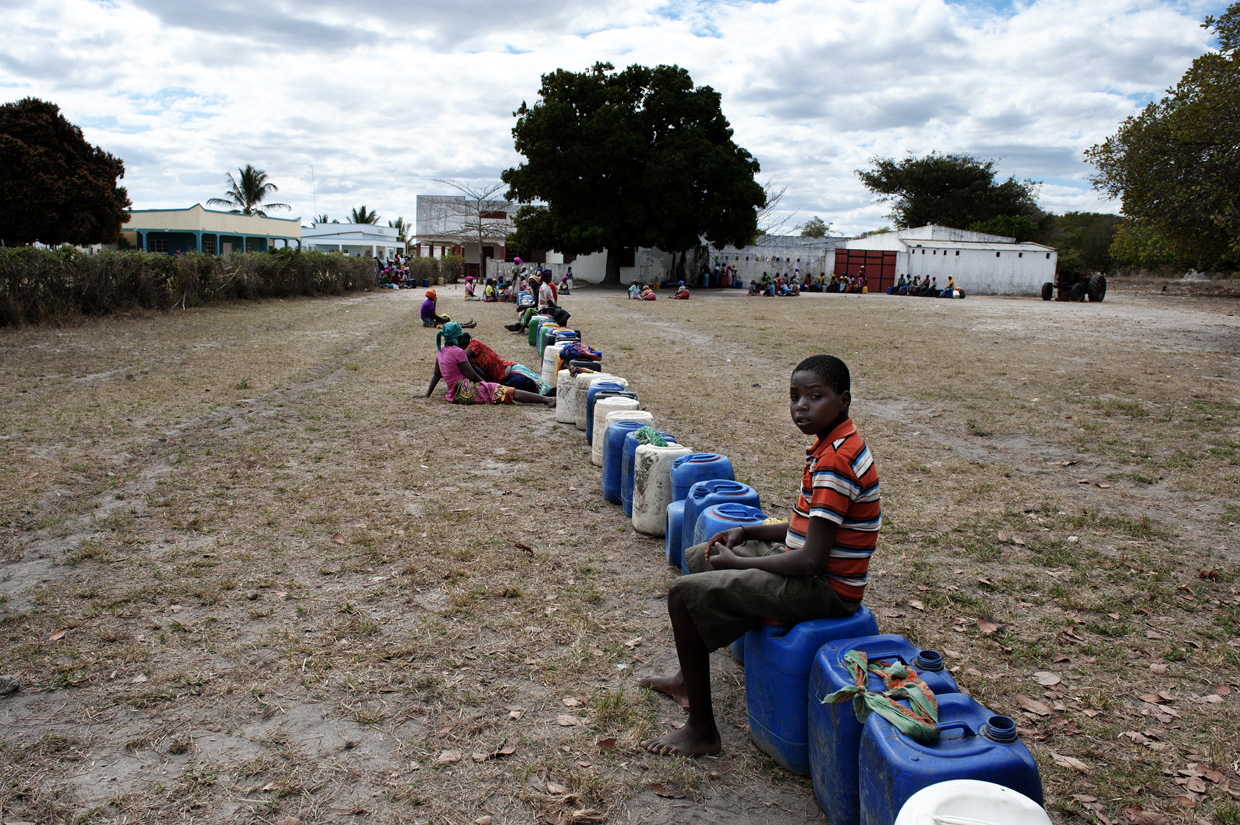
D’ici 2030, le monde aura besoin au moins de 50 % de plus de nourriture, de 45 % de plus d’énergie et de 30 % de plus d’eau et si nous ne parvenons pas à résoudre le dilemme du développement durable, nous courons le risque de condamner jusqu’à trois milliards de personnes à une vie de pauvreté endémique.

Share this:

  • Share on X (Opens in new window) X
  • Share on Facebook (Opens in new window) Facebook
Like Loading...

La Grèce érige une barrière anti-migrants face à la Turquie

06 Monday Feb 2012

Posted by JMD Live Online Business Consulting in Général / General

≈ Leave a comment

Tags

Démographie / Demography, Grèce, Turquie

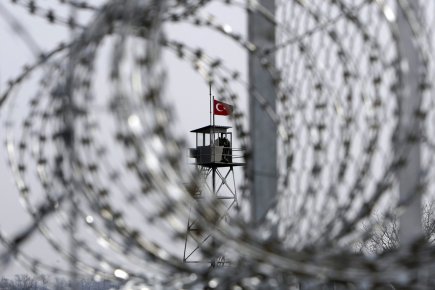
Le chantier prévoit une double rangée de barbelés de 2,5 mètres de haut surmontée de 25 caméras thermiques. Photo AFP

La Grèce, lundi, le 6 février 2012, commençait la construction d’une clôture destinée à barrer la route aux migrants irréguliers sur une portion de sa frontière terrestre avec la Turquie, devenu l’une des principales portes d’entrée clandestine en Europe. Le chantier chiffré à 5,498 millions d’euros (7,17 millions de dollars) prévoit une double rangée de barbelés de 2,5 mètres de haut surmontée de 25 caméras thermiques.

Réclamée par la France, en dépit des réticences de la Commission européenne, la barrière barbelée doit courir sur quelque 10,3 kilomètres, dans la portion de la frontière où le fleuve Évros entre en territoire turc. En 2011, quelque 55 000 arrestations de migrants ont été enregistrées dans cette zone. Selon l’agence européenne de surveillance des frontières [Frontex], à un rythme moyen de 300 par jour, ces arrivées clandestines représentaient le tiers des entrées irrégulières recensées sur le territoire de l’Union Européenne.

Share this:

  • Share on X (Opens in new window) X
  • Share on Facebook (Opens in new window) Facebook
Like Loading...
← Older posts
Newer posts →

Subscribe

  • Entries (RSS)
  • Comments (RSS)

Archives

  • February 2026
  • April 2024
  • March 2024
  • February 2024
  • January 2024
  • December 2023
  • November 2023
  • October 2023
  • July 2023
  • June 2023
  • May 2023
  • July 2021
  • April 2021
  • March 2021
  • February 2021
  • January 2021
  • November 2020
  • September 2020
  • August 2020
  • July 2020
  • June 2020
  • May 2020
  • April 2020
  • March 2020
  • February 2020
  • January 2020
  • October 2019
  • September 2019
  • August 2019
  • July 2019
  • June 2019
  • May 2019
  • April 2019
  • December 2018
  • October 2018
  • September 2018
  • June 2018
  • May 2018
  • March 2018
  • February 2018
  • January 2018
  • December 2017
  • November 2017
  • October 2017
  • September 2017
  • August 2017
  • July 2017
  • June 2017
  • February 2017
  • January 2017
  • December 2016
  • September 2016
  • August 2016
  • July 2016
  • June 2016
  • May 2016
  • April 2016
  • March 2016
  • February 2016
  • December 2015
  • September 2015
  • August 2015
  • February 2015
  • December 2014
  • September 2014
  • June 2014
  • May 2014
  • April 2014
  • February 2014
  • January 2014
  • December 2013
  • October 2013
  • September 2013
  • June 2013
  • May 2013
  • April 2013
  • March 2013
  • February 2013
  • January 2013
  • December 2012
  • November 2012
  • October 2012
  • September 2012
  • August 2012
  • July 2012
  • June 2012
  • May 2012
  • March 2012
  • February 2012
  • January 2012

Categories

  • Aberrations
  • Artificial Intelligence
  • BIg Government
  • Branding and Marketing
  • Canadian Crypto Exchanges
  • Canadian Cryptocurrencies
  • Covid-19
  • Crisis & Reputation Management
  • Crisis and Reputation Management
  • Cryptocurrencies Exchange
  • Cryptocurrencies Scams
  • Cryptocurrencies Trading
  • Editorial
  • Empowerment
  • Entrepreneirship
  • Environment
  • Général / General
  • General
  • Justice sociale
  • Living
  • Looking for a job
  • Online Consulting
  • Opinion
  • Outstanding
  • Predictions
  • Public Affairs and Communications
  • Religion
  • Scam Alert
  • Social Justice
  • Society
  • Starting Over
  • Systemic Strategic Planning
  • Technology
  • The 100 Days Extreme You Project
  • The future of work
  • Tomorrow starts today
  • Trends
  • Trump
  • Words of Widom
  • Working From Home

Meta

  • Create account
  • Log in
Follow J. Michael Dennis ll.l., ll.m. Live on WordPress.com

Enter your email address to follow this blog and receive notifications of new posts by email.

Blog at WordPress.com.

  • Subscribe Subscribed
    • J. Michael Dennis ll.l., ll.m. Live
    • Join 40 other subscribers
    • Already have a WordPress.com account? Log in now.
    • J. Michael Dennis ll.l., ll.m. Live
    • Subscribe Subscribed
    • Sign up
    • Log in
    • Report this content
    • View site in Reader
    • Manage subscriptions
    • Collapse this bar
 

Loading Comments...
 

You must be logged in to post a comment.

    %d